 Wildlife
of Bhutan
Water Pipit
Larks, Pipits & Wagtails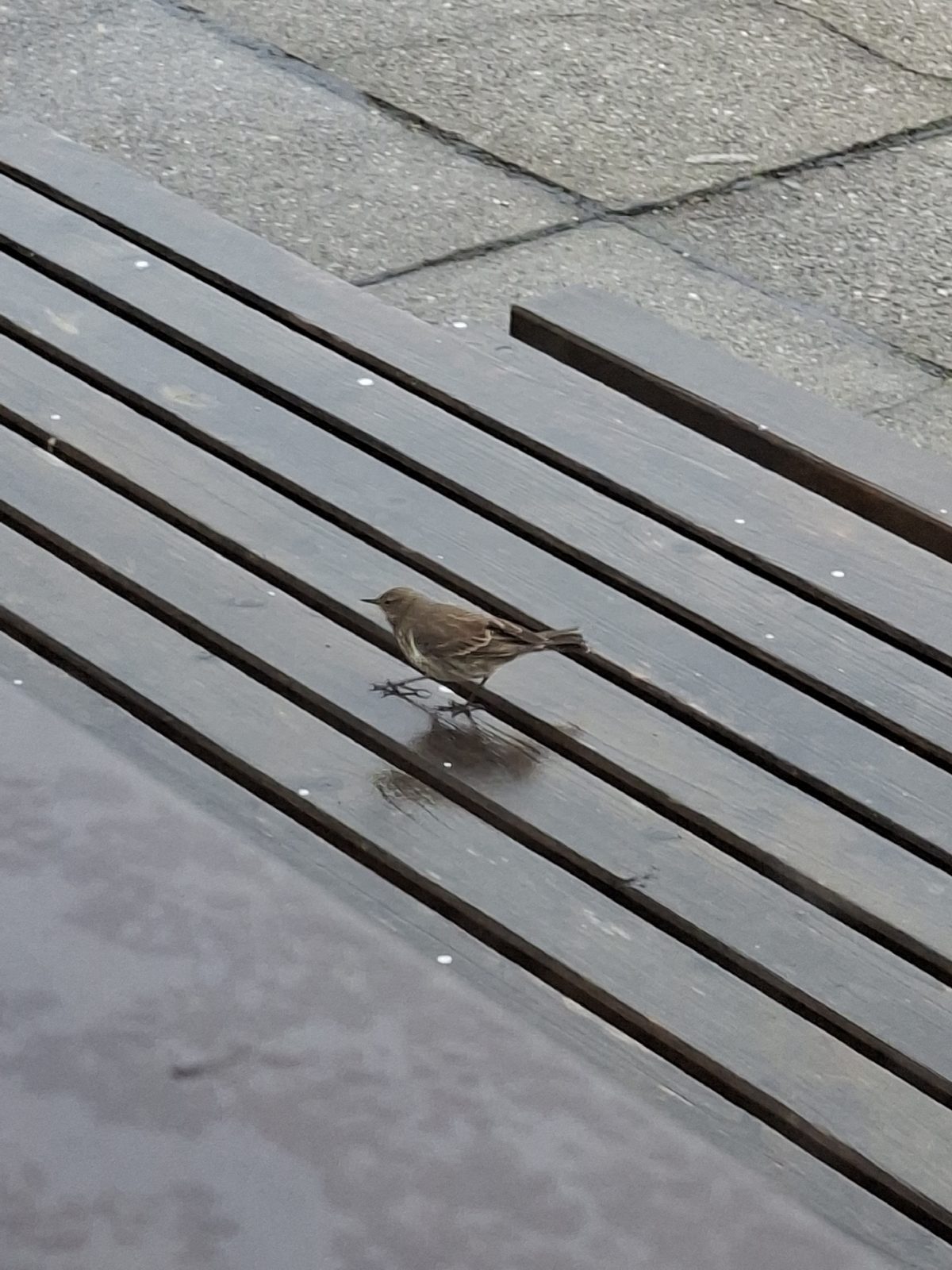
Photo: (c) Jerzy Tomes, some rights reserved (CC BY) · CC-BY (May be cropped or resized)
Anthus spinoletta
Basic stats
Diet
Small invertebrates from the ground or vegetation, and some plant material
Habitat
Mountains; cup nest on the ground under vegetation or in cliff crevices; moves to lower altitudes or wet open lowlands in winter
Range
Mountains of southern Europe and the Palearctic east to China
Clutch size
4–6 speckled greyish-white eggs
Incubation period
About two weeks, with a further 14–15 days to fledging
The water pipit is a small passerine that breeds in the mountains of southern Europe and the Palearctic eastwards to China, and is a short-distance migrant, many birds moving to lower altitudes or wet open lowlands in winter. In breeding plumage it has greyish-brown upperparts, pale pink-buff underparts, a grey head with a broad white supercilium and white outer tail feathers; in winter the upperparts are more streaked and the underparts white with light brown streaking (Wikipedia, general species account).
The song is delivered from a perch or in flight, in four or five blocks of about six repeats of a short note. It feeds mainly on small invertebrates picked off the ground or vegetation, and some plant matter. The cup nest is on the ground under vegetation or in cliff crevices, with four to six eggs laid from the end of April to early July. The account opened does not name Bhutan.
Quick answers
- What does the Water Pipit eat?
- Small invertebrates from the ground or vegetation, and some plant material
- What habitat does the Water Pipit live in?
- Mountains; cup nest on the ground under vegetation or in cliff crevices; moves to lower altitudes or wet open lowlands in winter
- Where is the Water Pipit found?
- Mountains of southern Europe and the Palearctic east to China
- How many eggs does the Water Pipit lay?
- 4–6 speckled greyish-white eggs
- How long are the eggs of the Water Pipit incubated?
- About two weeks, with a further 14–15 days to fledging