 Wildlife
of Bhutan
Tree Pipit
Larks, Pipits & Wagtails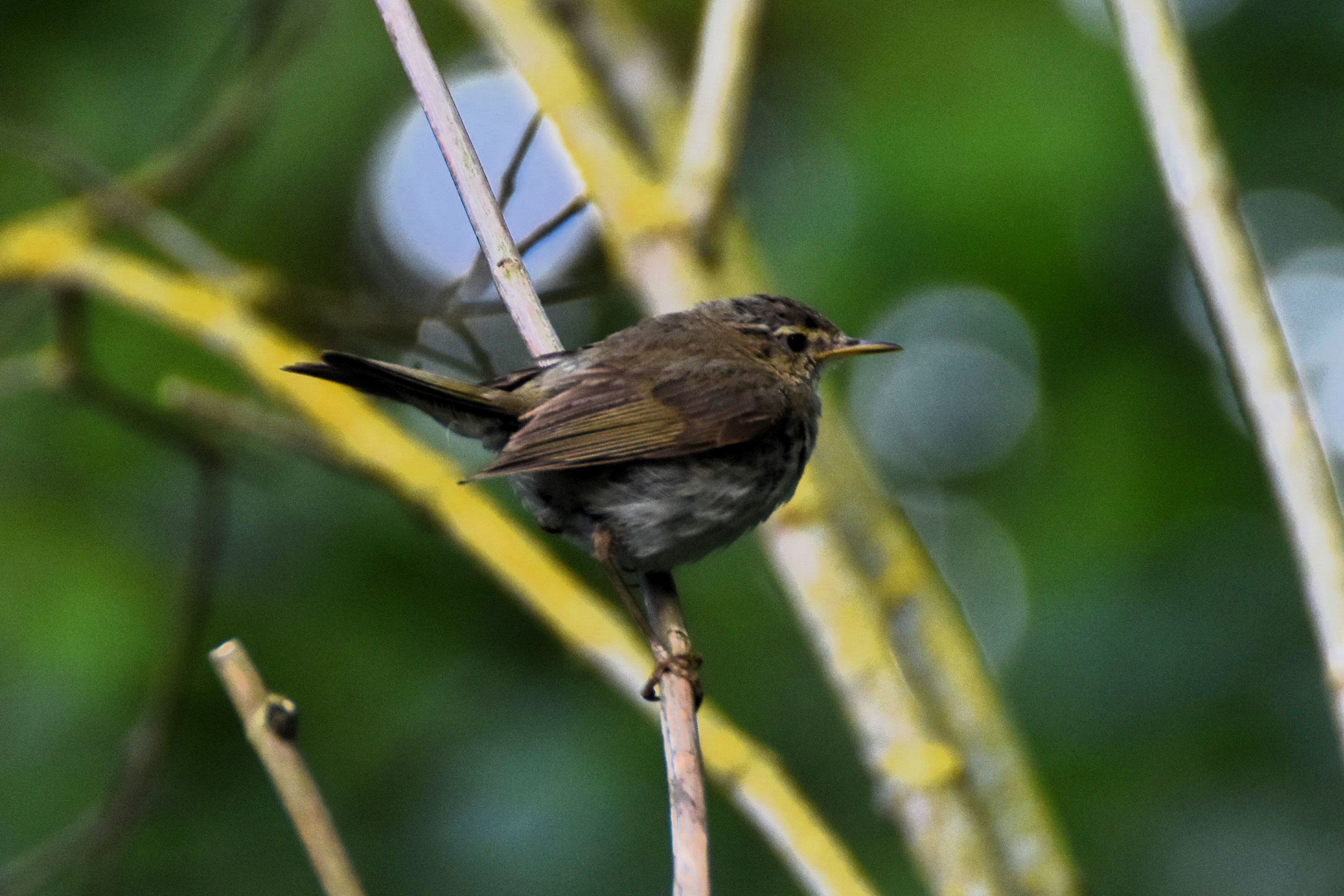
Photo: Bärbel Miemietz · CC BY-SA 4.0 (May be cropped or resized)
Anthus trivialis
Basic stats
Diet
Insects, also seeds
Habitat
Open woodland and scrub; nest on the ground, built by the female
Range
Breeds across most of Europe and the Palearctic to the East Siberian Mountains; winters in Africa and southern Asia
Clutch size
Usually 4–6 eggs
Incubation period
Eggs hatch after 12–14 days
The tree pipit is a small passerine that breeds throughout most of Europe and the Palearctic as far east as the East Siberian Mountains, and is a long-distance migrant to Africa and southern Asia. It resembles the meadow pipit, brown-striped above with black markings on white underparts and a buff breast, but has a heavier bill and more contrast between buff breast and white belly (Wikipedia, general species account).
The breeding habitat is open woodland and scrub, and it eats insects and some seeds. The call is a strong 'spek', and the song flight is distinctive: the bird rises a short way from a tree, then parachutes down on stiff wings. The nest is placed on the ground and built by the female, with four to six eggs incubated by her and hatching in 12 to 14 days; the chicks leave after a similar time.
Quick answers
- What does the Tree Pipit eat?
- Insects, also seeds
- What habitat does the Tree Pipit live in?
- Open woodland and scrub; nest on the ground, built by the female
- Where is the Tree Pipit found?
- Breeds across most of Europe and the Palearctic to the East Siberian Mountains; winters in Africa and southern Asia
- How many eggs does the Tree Pipit lay?
- Usually 4–6 eggs
- How long are the eggs of the Tree Pipit incubated?
- Eggs hatch after 12–14 days