The living Himalaya
Wild by
nature.
From subtropical river forest to the high alpine, Bhutan holds an extraordinary sweep of life in one small mountain kingdom.
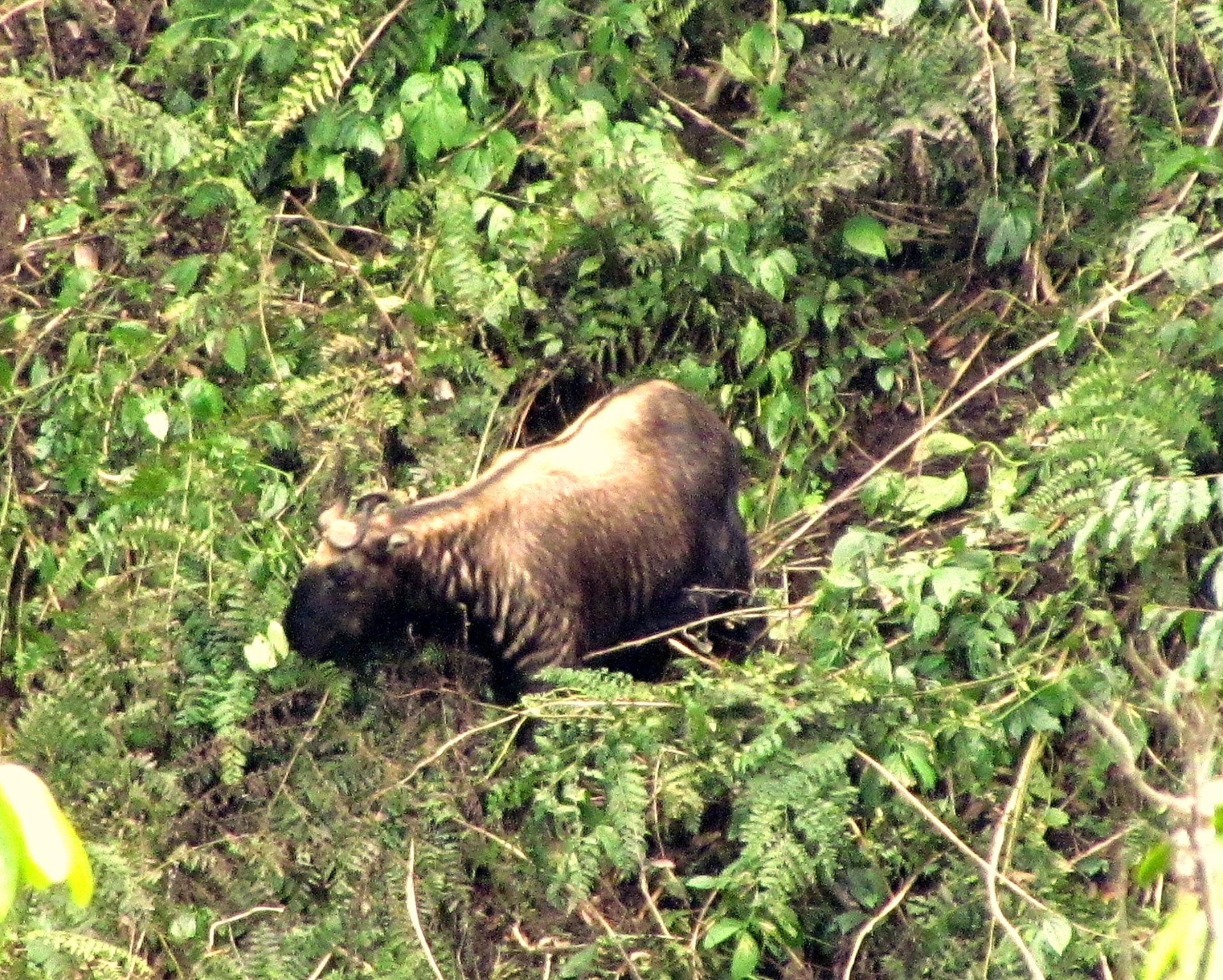
Explore 799 speciesBhutan takin · Benjissimo · CC BY 3.0
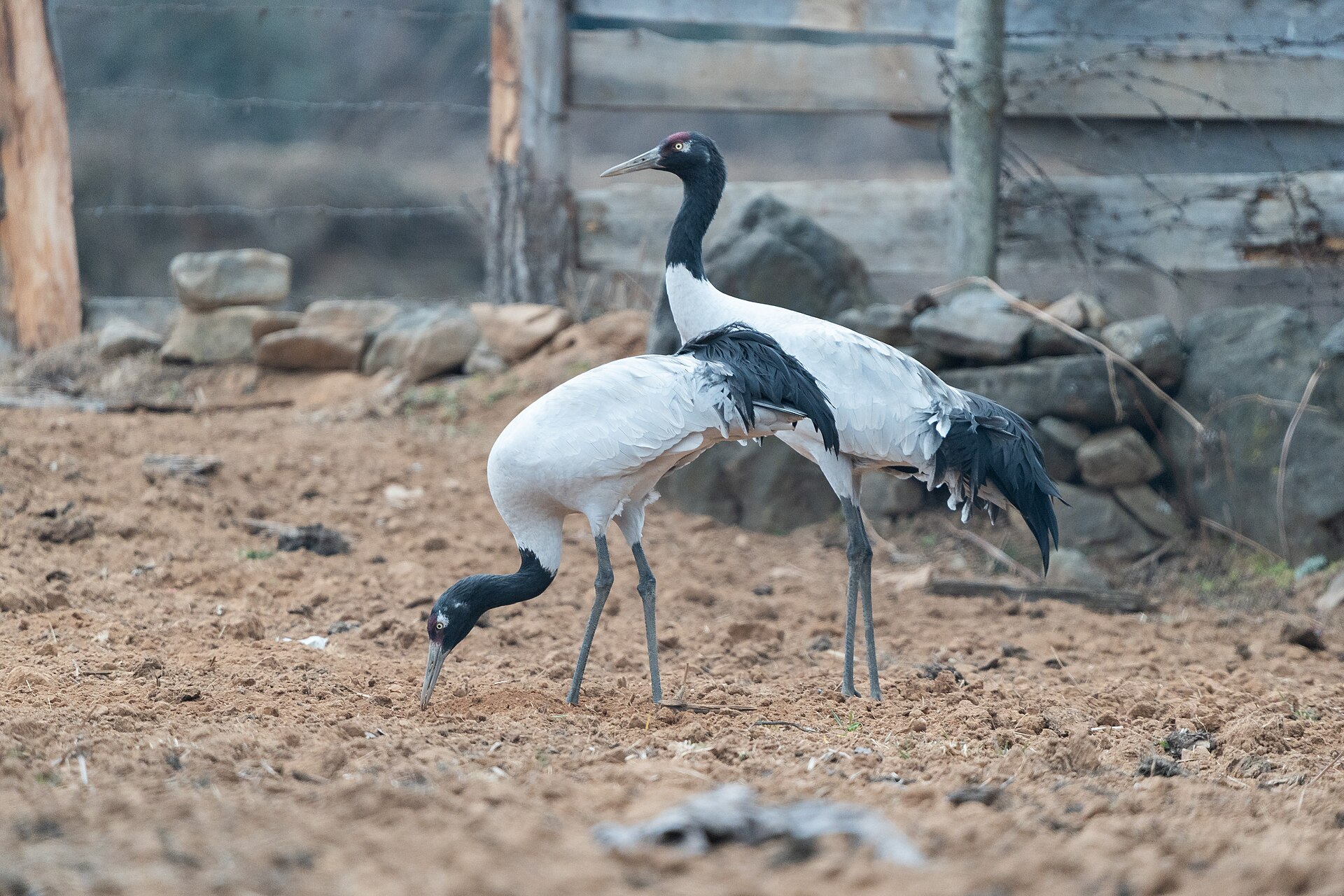 Black-necked cranes · Yajuvendraupadhyaya · CC BY 4.0
About the guide
A country measured in altitude
Bhutan rises from warm southern foothills to glaciated peaks. That steep climb compresses tropical forest, temperate woodland and alpine meadow into a remarkably short distance—bringing langurs, hornbills, takin and snow leopards into one connected landscape.
This field guide brings together evidence-backed species records and openly licensed photography. Use it to browse, search and put names to the wildlife you encounter.
Meet the landscapes →Explore wildlife
Four ways into the wild
Field guide
Mammals of Bhutan
evidence-backed records. The list is occurrence-derived and should be treated as a living checklist.
No species match that search.
Where to look
One kingdom.
Five wild worlds.
Elevation, rainfall and aspect shape where animals live. Move slowly through Bhutan and the cast changes with every climb.
- 01South
Royal Manas
Lowland forest · elephant, hornbill, tiger
- 02Central
Phobjikha Valley
Glacial wetland · black-necked crane
- 03East
Bumdeling
River valley · cranes and eastern forest birds
- 04North
Jigme Dorji
Forest to alpine · takin, red panda, snow leopard
- 05Far east
Sakteng
Blue pine and rhododendron · red panda, pheasants
Field ethics
Look closely.
Leave lightly.
Keep a respectful distance, stay on established paths, never feed wildlife and follow local guides. A good sighting leaves the animal’s behaviour unchanged.